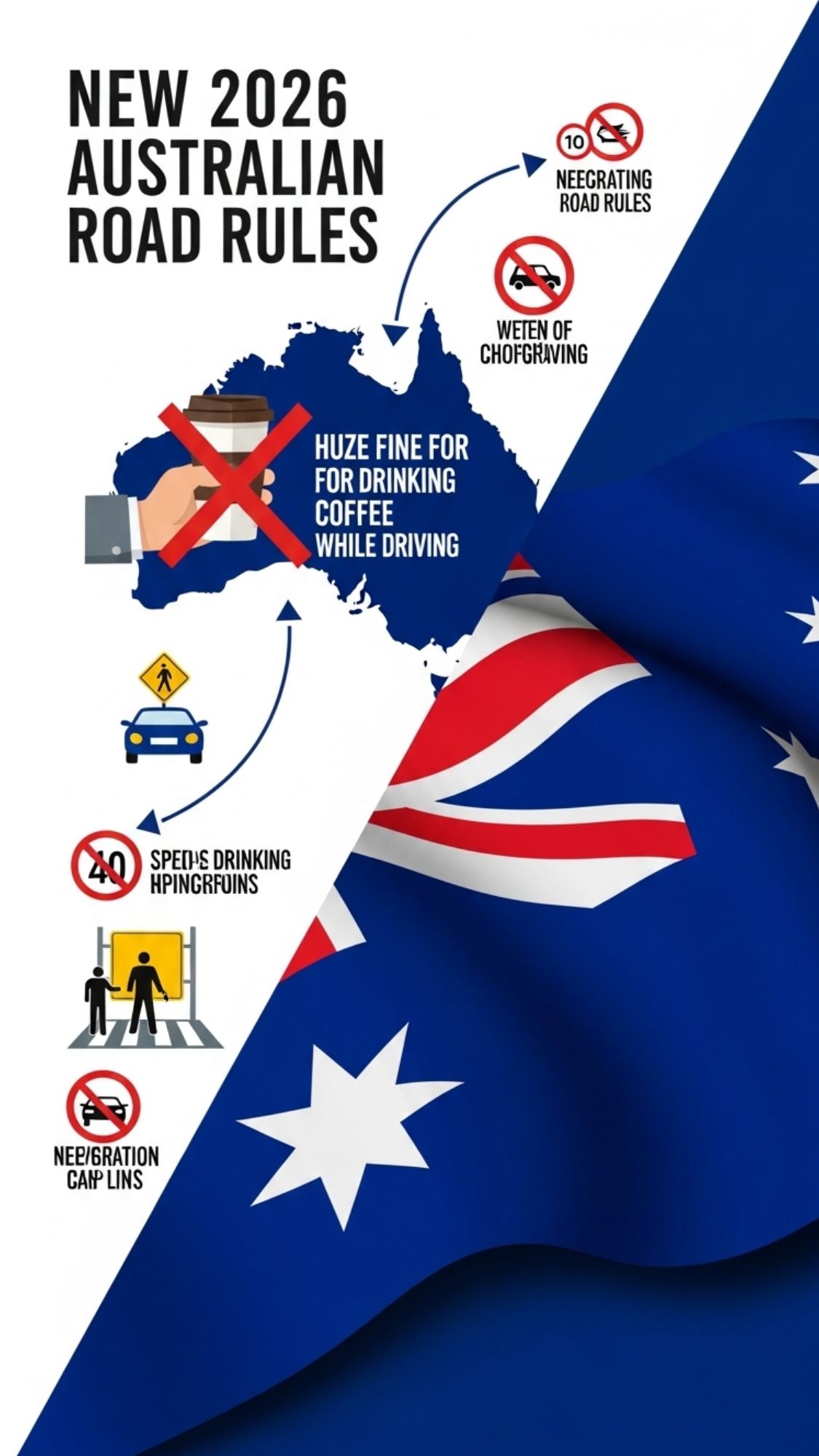
Australia’s road safety landscape is tightening again in 2026, and one change grabbing attention is the heavy fine linked to drinking coffee while driving. Across Australia, transport authorities are focusing on everyday distractions that can quietly increase crash risks. What may feel like a harmless morning habit is now being closely watched under updated road rules. These changes are not about banning coffee outright, but about how driver behaviour is judged behind the wheel. Understanding what the new rule actually targets can help motorists avoid penalties and drive more confidently.
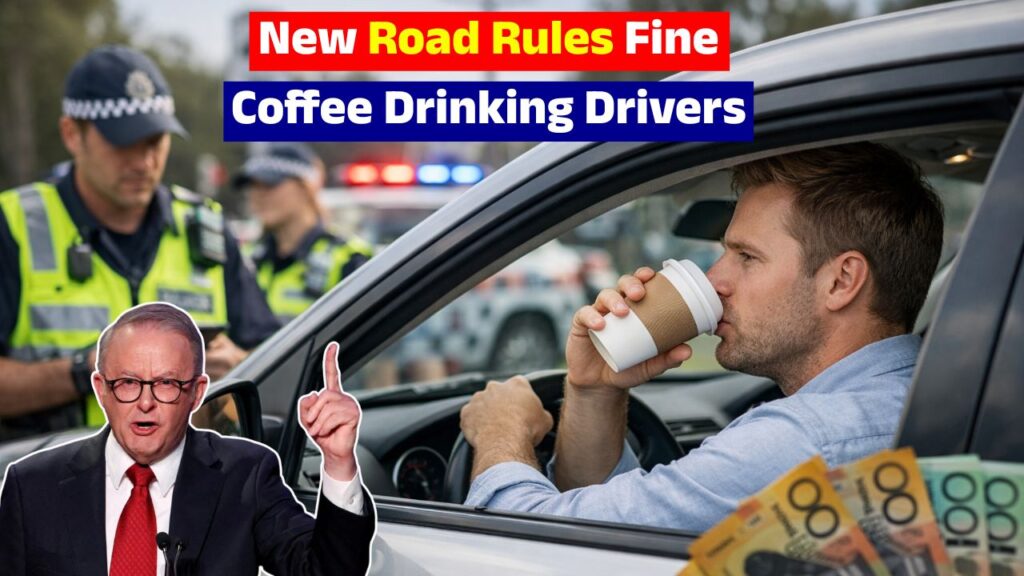
Australia road rules 2026 target coffee distractions
The 2026 update to Australian road rules places sharper focus on distracted driving, and coffee cups have entered the spotlight. Police are not stopping drivers simply for holding a drink, but for actions that reduce proper control of the vehicle. If sipping coffee causes swerving, delayed reactions, or one-handed steering, it may be classed as driver inattention or unsafe vehicle control. Officers now have wider discretion to act when they observe hands off wheel behaviour or eyes off road moments. The rule aims to curb habits that seem minor but contribute to avoidable crash risks, especially during busy commuting hours.
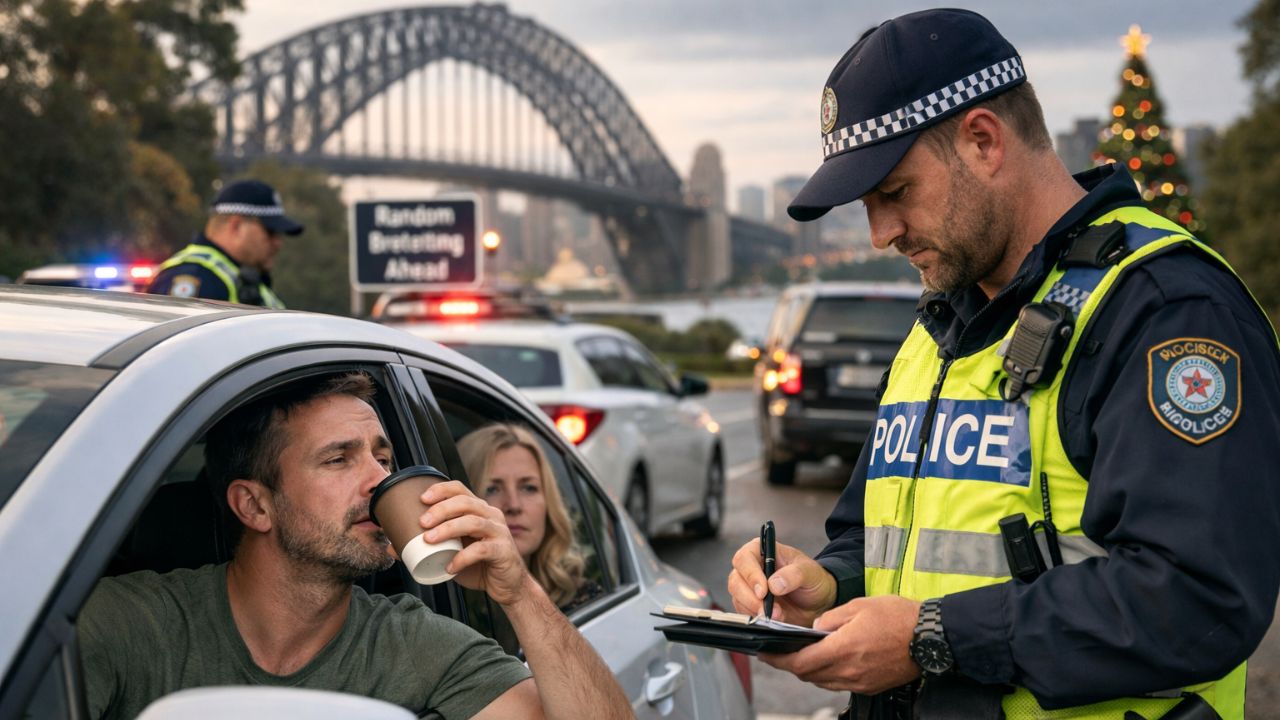
Drinking coffee while driving fines explained for motorists
Under the new approach, fines can be significant if drinking coffee directly affects driving performance. Penalties vary by state, but drivers may face hefty traffic fines, demerit points, or both if an officer determines the action was unsafe. Importantly, the offence is usually recorded under existing careless or distracted driving laws rather than a “coffee-specific” charge. Authorities stress that it’s about behaviour, not beverages. Actions like spilling a hot drink and reacting suddenly could be viewed as loss of control, while juggling lids or cups may fall under manual distraction rules, leading to on-the-spot penalties.

New Australian driving laws and everyday habits
The coffee fine discussion highlights a broader shift in Australian driving laws that scrutinise everyday habits. Similar attention already applies to eating, smoking, or using in-car technology. Regulators want drivers to recognise how small actions add up to split-second delays that matter on the road. The 2026 changes encourage motorists to plan ahead, such as pulling over to drink or setting up cups securely. By reducing casual distractions and promoting full driver focus, officials hope to cut urban accident rates and make daily travel safer for everyone.
Why Australia is taking a stricter stance in 2026
The stricter stance reflects growing evidence that low-level distractions are a major contributor to crashes. Authorities argue that modern driving already demands high concentration due to traffic density and complex road systems. Allowing risky habits to slide sends the wrong message. The 2026 rules aim to reset expectations by reinforcing responsible driving behaviour without banning normal activities outright. Instead, they promote common sense, reminding drivers that convenience should never outweigh safety. By clarifying enforcement and consequences, Australia hopes drivers will make smarter choices and reduce preventable road incidents.
| Aspect | What It Means |
|---|---|
| Holding coffee | Not illegal unless it affects vehicle control |
| Observed distraction | May trigger a distracted driving offence |
| Fine range | Varies by state and severity of behaviour |
| Demerit points | Possible if deemed careless driving |
| Best practice | Pull over to drink safely |
Frequently Asked Questions (FAQs)
1. Is drinking coffee while driving illegal in Australia?
No, it becomes an offence only if it affects safe control of the vehicle.

2. When does the new rule start in 2026?
Enforcement aligns with state-level road rule updates introduced during 2026.
3. Can I get demerit points for drinking coffee?
Yes, if police classify the behaviour as careless or distracted driving.
4. How can drivers avoid fines under this rule?
By keeping full control of the vehicle or pulling over before drinking.